

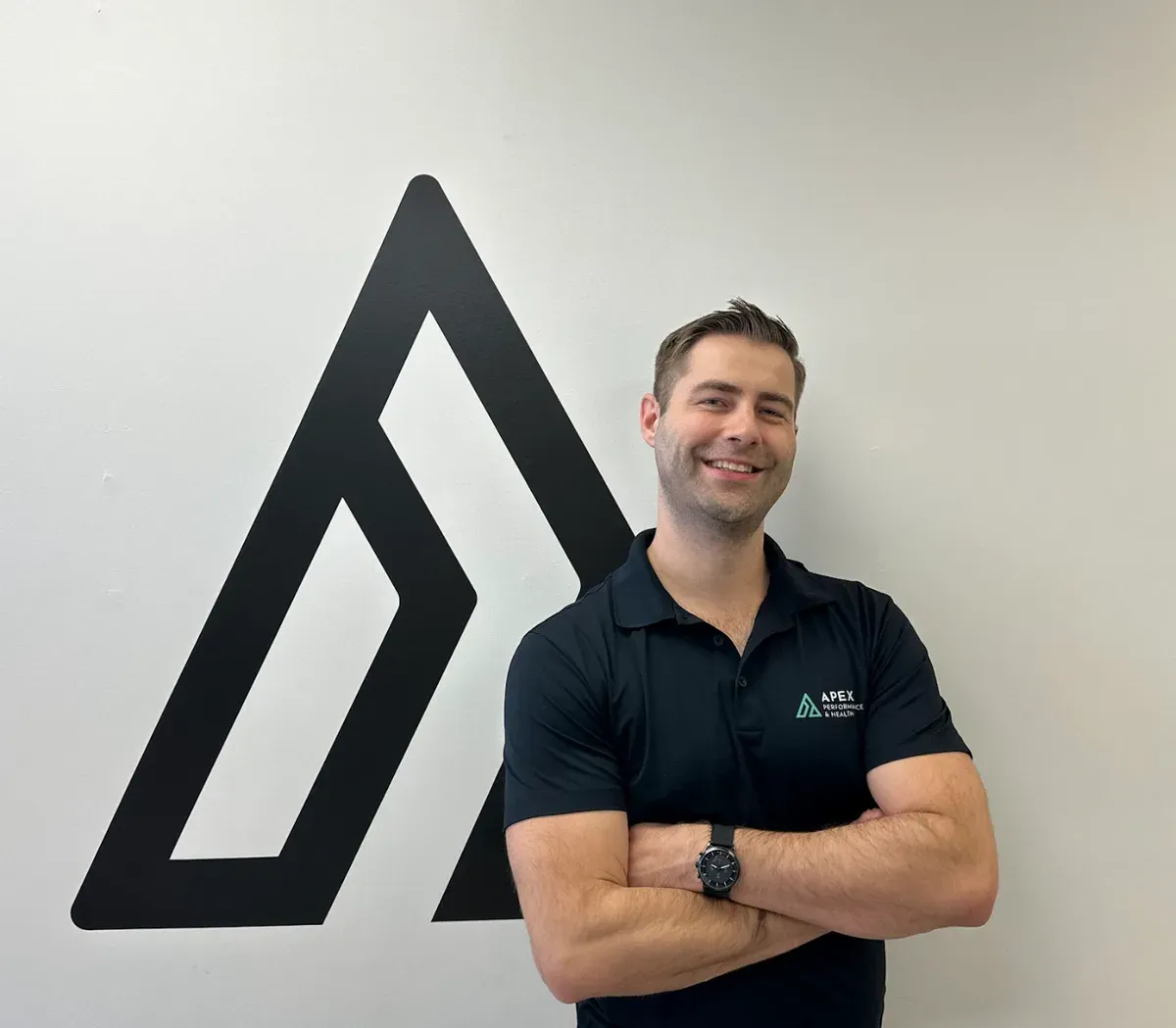
Dr. Evan Eindhoven
Chiropractor, RCCSS(c)
CMCC graduate and Royal College of Chiropractic Sports Sciences fellow. Kinesiology degree from Waterloo, plus acupuncture certification. Works with amateur through Olympic athletes.
Chiropractic
Sports chiropractic focuses on more than just relieving symptoms. We look at the way your body moves as a whole — joints, muscles, and the nervous system — so we can find and treat the root cause of discomfort. Whether you're a competitive athlete, someone who enjoys staying active at the gym, or simply managing the physical demands of work, parenting, or daily life, our approach can help.
Treatment may include manual therapy, corrective exercise, mobility drills, and movement education. Together, these strategies not only help with injuries but also improve posture, flexibility, and overall function.
Joint-specific manipulation to restore range of motion and ease mechanical pain.
Manual techniques for shoulders, hips, knees, and ankles — not just the spine.
Targeted mobility, activation, and strength work between visits to make the adjustment stick.
Meet Our Chiropractors
Chiropractor, RCCSS(c)
CMCC graduate and Royal College of Chiropractic Sports Sciences fellow. Kinesiology degree from Waterloo, plus acupuncture certification. Works with amateur through Olympic athletes.
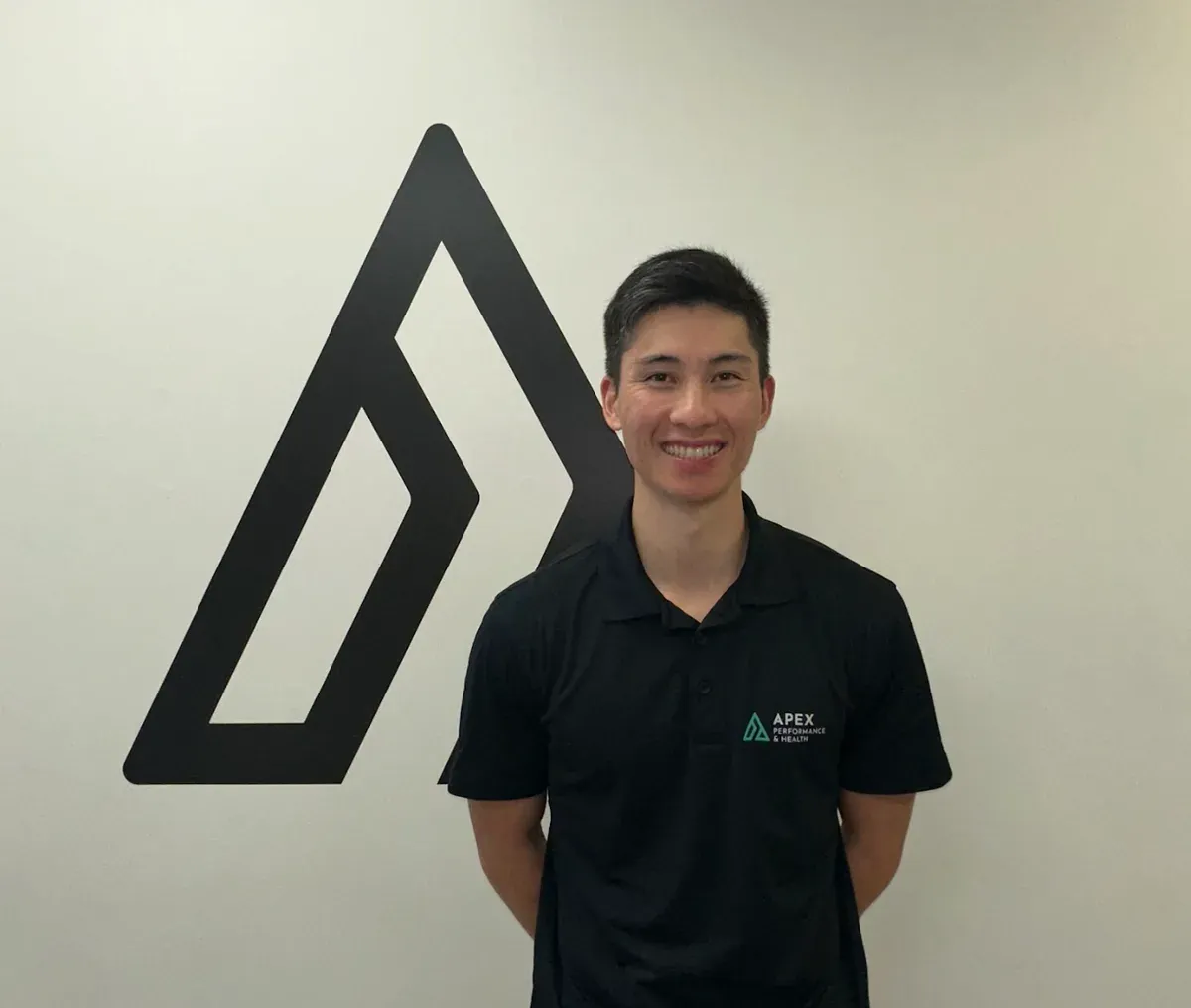
Chiropractor, CSCS
CMCC magna cum laude graduate with sports sciences residency and RCCSS fellowship. Certified strength and conditioning specialist — expertise in rotational sports and shoulder injuries.
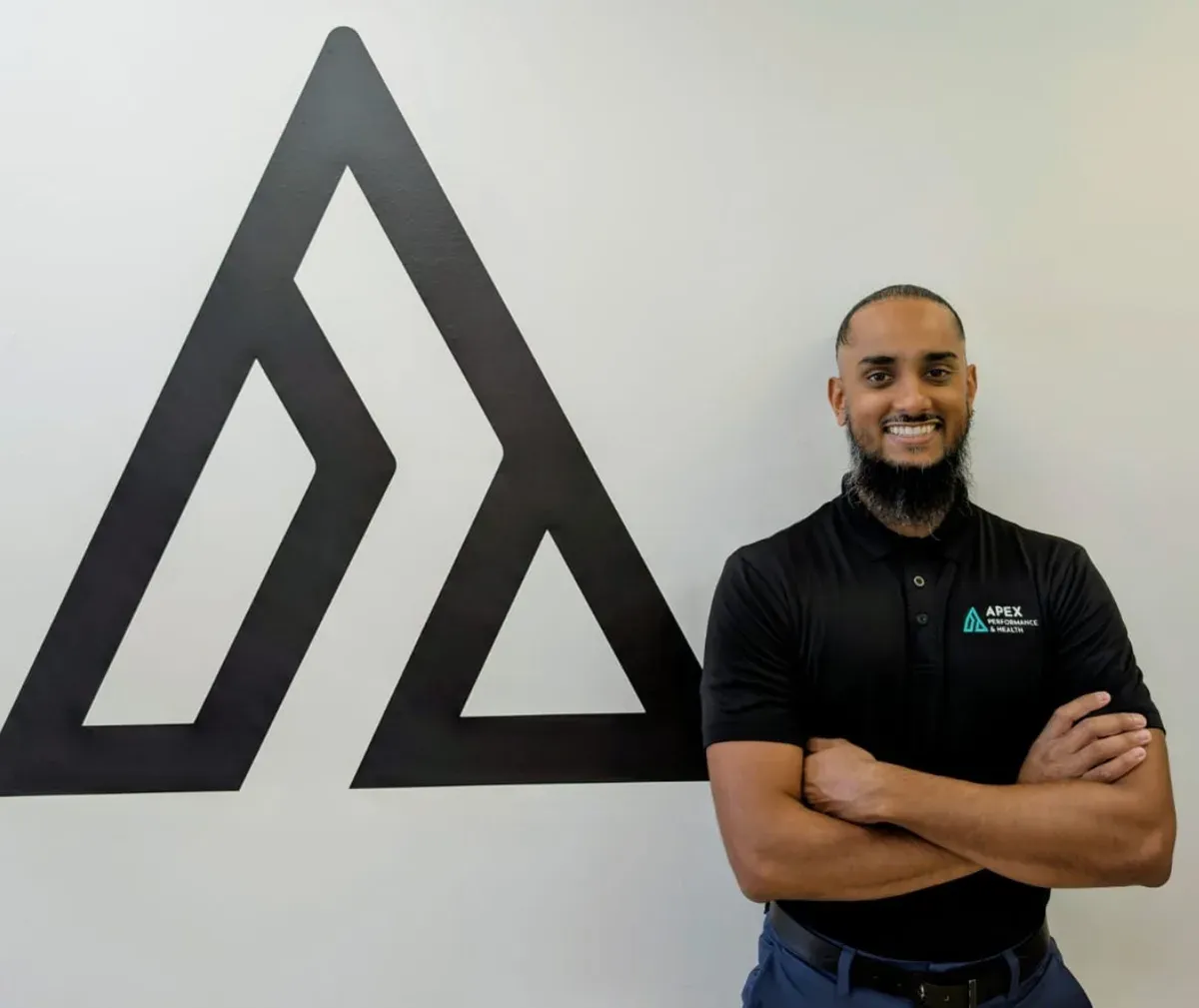
Chiropractor
Over 8 years in private practice with a Chiropractic Sport Sciences Residency and Neurofunctional Acupuncture certification. Evidence-based, individualized care.
Sports-focused chiropractic care isn't just about cracking backs — it's about identifying and correcting the mechanical faults causing your pain, so it actually stays fixed.
Disc irritation, muscle strain, sciatica — hands-on relief plus a plan to prevent recurrence.
Why it matters
Back pain that's 'fixed' with a few painkillers and rest comes back — 60% of the time within a year. Correcting the joint mechanics and movement pattern is what actually keeps it away.
Tension-type and cervicogenic headaches, whiplash recovery, and desk-posture issues.
Why it matters
Most "tension" headaches are actually cervicogenic — driven by upper-neck joint restriction. Treat the neck and the headache stops, often in days. Paracetamol just mutes the signal.
Impingement, tendinopathy, and post-injury rehab for throwers, swimmers, and lifters.
Why it matters
The shoulder trades stability for mobility — which means small mechanical faults snowball fast. Untreated impingement leads to rotator cuff tears, and those rarely heal without surgery.
Runner's knee, patellofemoral pain, hip impingement, and post-surgical rehabilitation.
Why it matters
Knees rarely fail in isolation — the hip or ankle above/below is usually the real culprit. Fixing the source (not just the painful joint) is the difference between months of relief and years.
Sprains, plantar fasciitis, and balance work for return to sport or recreation.
Why it matters
After a sprain, the ankle's proprioceptors — its sense of position — get blunted. Without retraining balance and control, you stay one misstep away from the next one. Every single time.
Injury prevention screening, mobility programs, and sport-specific corrective exercise.
Why it matters
The best time to see a sports chiro isn't after you're hurt — it's before. Asymmetries and mobility deficits are invisible until they fail under load. A 45-minute screen can prevent a 12-week layoff.
Every initial visit is up to 75 minutes so we can map the full picture — history, movement screen, and a plan. Call us if you're unsure whether chiropractic is the right starting point.
The next step
Your initial assessment runs up to 75 minutes — enough time to fully understand your history, your goals, and design a plan that actually sticks. Direct billing available.