

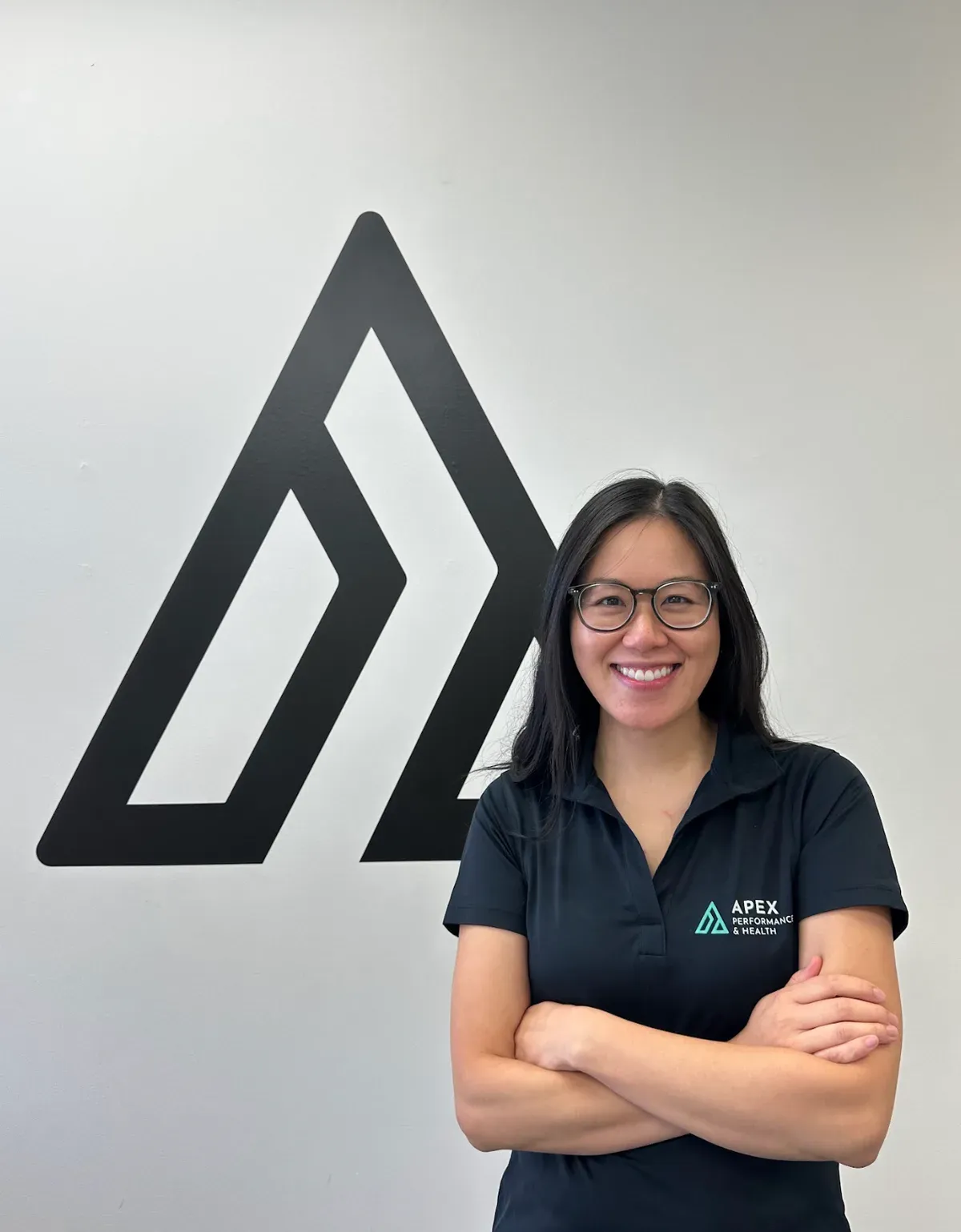
Sophia Do
RMT · BA Kinesiology
Sutherland-Chan School graduate with a Kinesiology degree. Combines precise manual therapy with Contemporary Acupuncture — specializes in headaches, TMJ dysfunction, and hip pain for youth athletes and active adults.
Massage Therapy
Our registered massage therapists (RMTs) combine precise manual therapy with evidence-based techniques to help you recover from injury, manage chronic tension, and perform at your best. Massage integrates well with physiotherapy and chiropractic — we coordinate with your other providers so every session builds on the last.
Focused work on chronic tension, trigger points, and sport-specific muscle groups.
Slow, sustained pressure to release restrictions in the fascia — helpful for postural pain.
Some of our RMTs are also acupuncture-certified and integrate needling when indicated.
Meet Our RMTs
RMT · BA Kinesiology
Sutherland-Chan School graduate with a Kinesiology degree. Combines precise manual therapy with Contemporary Acupuncture — specializes in headaches, TMJ dysfunction, and hip pain for youth athletes and active adults.

Registered Massage Therapist
Systematic, progress-tracked approach to chronic muscle tension and overuse injuries. Known for keeping detailed notes across sessions to stay aligned with your treatment plan.
Every RMT session at Apex is built from specific techniques chosen for your body, your goal, and your pain pattern. Here's what each does and why it works.
Sustained, targeted pressure on deeper muscle and connective tissue layers for chronic tension and adhesions.
Why it matters
Light massage feels nice — it doesn't reach the tissue causing your pain. Chronic tension lives in deep fibers that superficial work never touches. That's why your shoulders 'feel better' for a day, then lock right back up.
Pre-event activation, post-event flush, and mid-training maintenance for active bodies.
Why it matters
Muscles adapt faster when recovery is managed, not rolled-out hoping for the best. Sports massage cuts next-day soreness, restores range of motion, and lets you train the session you planned — not the one your legs allow.
Precise, sustained pressure on hyperirritable bands that refer pain to seemingly unrelated areas.
Why it matters
That shoulder pain might not be your shoulder — trigger points commonly refer pain far from their source (scalene → arm, gluteus → low back). Treating where it hurts misses the actual problem. Releasing the trigger stops the referral.
Slow, sustained pressure to release restrictions in the fascial web — the connective tissue wrapping every muscle.
Why it matters
Fascia is a single continuous sheet from head to foot. A restriction in your hip can pull your shoulder out of place. Fast strokes just irritate it — slow, sustained pressure is the only thing fascia actually responds to.
Longer, flowing strokes that downshift the nervous system and boost circulation.
Why it matters
Chronic stress physically tightens muscles — it's not in your head. Relaxation massage activates the parasympathetic ('rest and digest') system, which is the only state in which your muscles actually release. Fighting tension with force alone rarely works.
Evidence-based needling for pain and recovery, offered by our acupuncture-certified RMTs.
Why it matters
For stubborn trigger points and persistent pain, needling accesses muscle layers hands can't reach and stimulates the body's own pain-gate mechanisms. When added to manual therapy, outcomes improve — it's not mystical, it's mechanical.
Not sure which technique is right for you? Don't pick — let your RMT assess and blend what your body needs. Call us with questions.
The next step
60- and 90-minute sessions available with registered massage therapists. Direct billing for most extended health plans — you pay the gap, not the whole thing.