Acupuncture
Fine, single-use needles placed and left to rest while you relax.

An older system of care, working alongside the new one.
The short answer
Acupuncture is the insertion of very fine, sterile needles at specific points on the body. Traditional Chinese Medicine (TCM) uses acupuncture alongside techniques such as cupping, moxibustion and gua sha, guided by a whole-person assessment that includes the tongue and pulse. In Ontario, acupuncturists are regulated by the College of Traditional Chinese Medicine Practitioners and Acupuncturists.
Acupuncture and traditional techniques are available for discussion as part of an individual assessment. Evidence and suitability differ by condition. Persistent sleep problems, recurrent headaches or other concerning symptoms may also need medical assessment.
Every plan is built from your assessment. These are the tools we reach for most.
Fine, single-use needles placed and left to rest while you relax.
Suction cups applied to the skin. Discuss expected effects, uncertainty and risks before agreeing to treatment.
A traditional heat-based procedure. Discuss the method and risks before consenting.
A smooth-edged tool stroked along the skin. Discuss expected effects, uncertainty and skin risks.
Observations within a traditional assessment framework; they do not replace appropriate medical investigation.
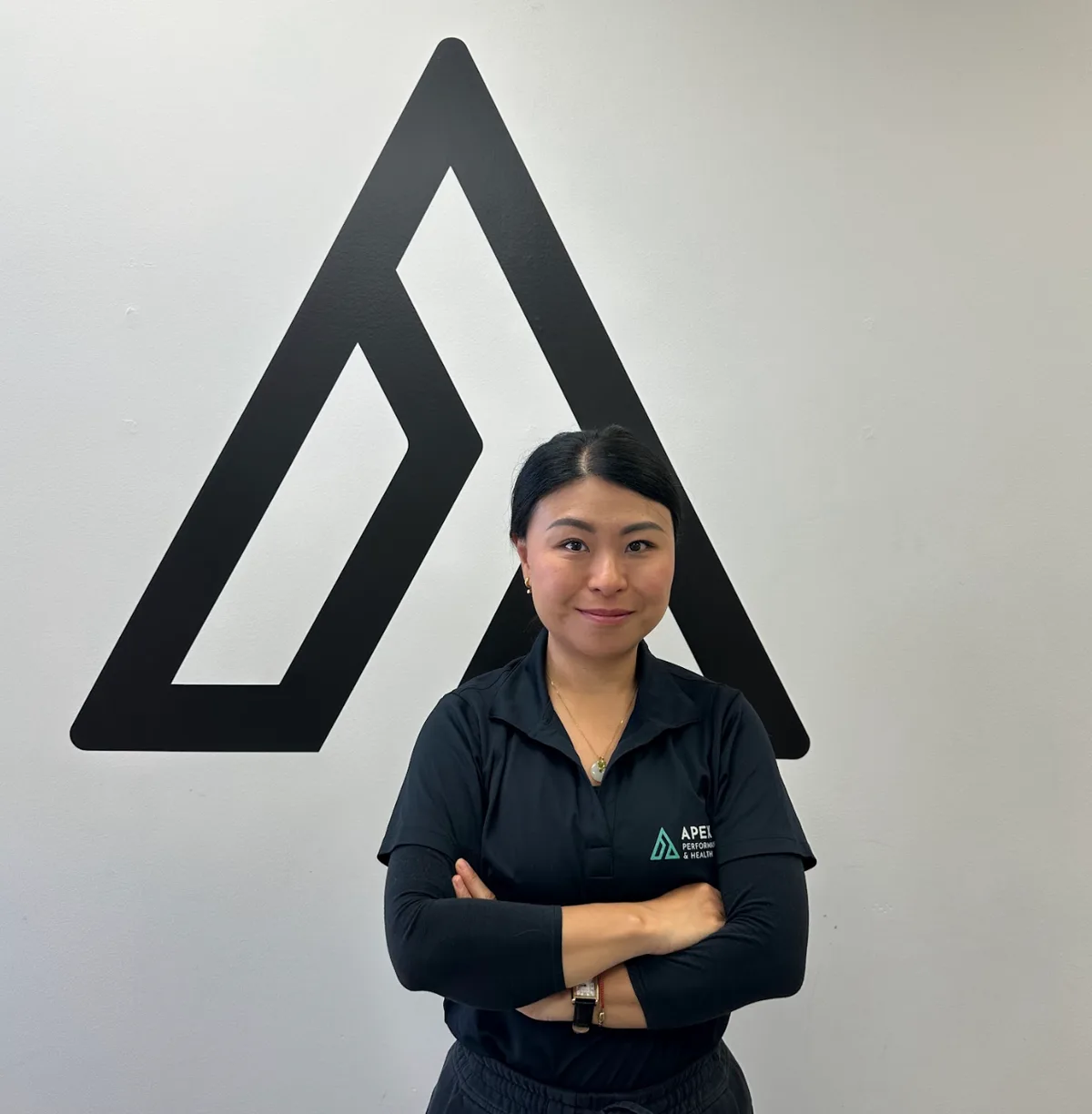
R.Ac · OCTCM · Hope Institute of TCM, Beijing
Holistic care grounded in a family of conventional medicine.
Read the full profileEducational information to support your care questions.
General information to help you discuss the service.
Sensations vary. Tell the practitioner about pain or concerns during treatment. Ask about expected effects, risks and alternatives before consenting; you can ask to stop.
Both use fine needles. Dry needling targets trigger points in muscle based on Western anatomy; traditional acupuncture follows TCM principles and point selection. At Apex, several clinicians offer contemporary medical acupuncture and ZhenZhen offers traditional TCM acupuncture.
Cupping can leave temporary skin marks, but it is not risk-free. Persistent discoloration, burns and infection are possible. Ask the practitioner about risks and seek appropriate advice for a concerning skin reaction.
Six days a week, with free parking right outside.
Open Monday to Saturday